LAMDA classes and exams in Whitstable
Nationally recognised acting qualifications from the London Academy of Music and Dramatic Art — taught weekly in Whitstable, from Entry Level right through to Grade 8.
A few places left for the autumn term
We keep LAMDA groups to a maximum of six children, so each child gets real attention and enough time on their feet. Right now there is one place in the 5.00pm group and two places in the 6.00pm group.
A real qualification, not just a class
KSPA are proud to offer LAMDA classes, preparing students for graded exams in Acting. Students can work towards graded exams from Entry Level up to Grade 8, leading to nationally recognised qualifications from the London Academy of Music and Dramatic Art.
Exams are assessed by a LAMDA examiner against a published national standard. A child does not pass because we say so — they pass because an external examiner says so. That is the difference between a drama class and a drama qualification.
- Graded Acting exams, Entry Level to Grade 8
- Assessed by an external LAMDA examiner
- Grades 6, 7 and 8 sit at Level 3 and carry UCAS tariff points
- Builds the interview and audition skills that outlast performing
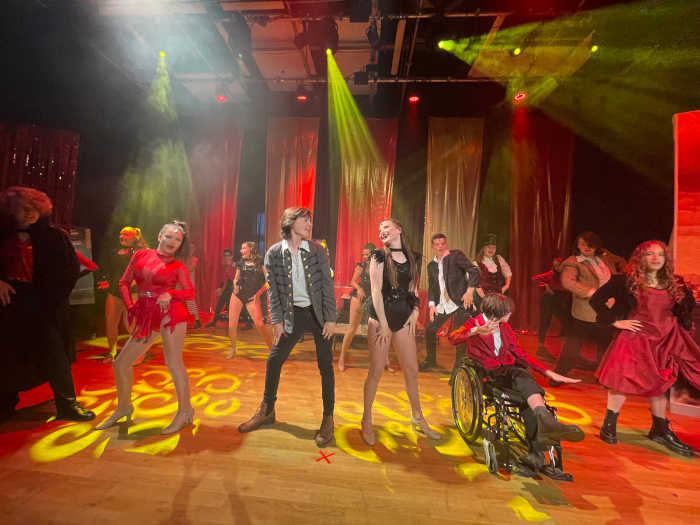

Tuesday evenings
| Time | Class | |
|---|---|---|
| 17.00–18.00 | LAMDA · School Years 6–8 | 1 place |
| 18.00–19.00 | LAMDA · School Years 9–13 | 2 places |
Four steps
Book a free taster
Come to a full class on a Tuesday evening. Nothing to pay, no obligation.
We place your child
We start at the grade that fits them, not at the grade their age suggests.
Weekly classes
Learn the pieces, the technique and the knowledge the examiner will ask about.
Sit the exam
Exams are taken at an external LAMDA exam centre and assessed by a LAMDA examiner. Results and certificates follow.
Come and try a LAMDA class
Groups are capped at six children, so places are limited. Tell us your child’s school year and we will let you know which group fits and whether there is space this term.
The first session is a free taster — there is nothing to pay and no obligation.
LAMDA questions parents ask
What does a typical LAMDA class look like?
How often do pupils take exams?
How do I know what monologue to do?
Do I need to learn my lines off by heart?
Does my child need experience?
What age can they start?
Do the exams count for anything?
What does it cost?
Do they have to perform on stage?
Ask about a place
Our LAMDA classes are full. Ask about a place and you will be contacted first when the next places are confirmed.
Kent School of Performing Arts
Sign Up To Get Updates & News From KSPA
About Us
is a family-run, performance-driven
school based in Whitstable, Kent.
Quick Links
Contact Now
© Kent School of Performing Arts 2026 | Terms and Conditions | Privacy Policy | Cookies